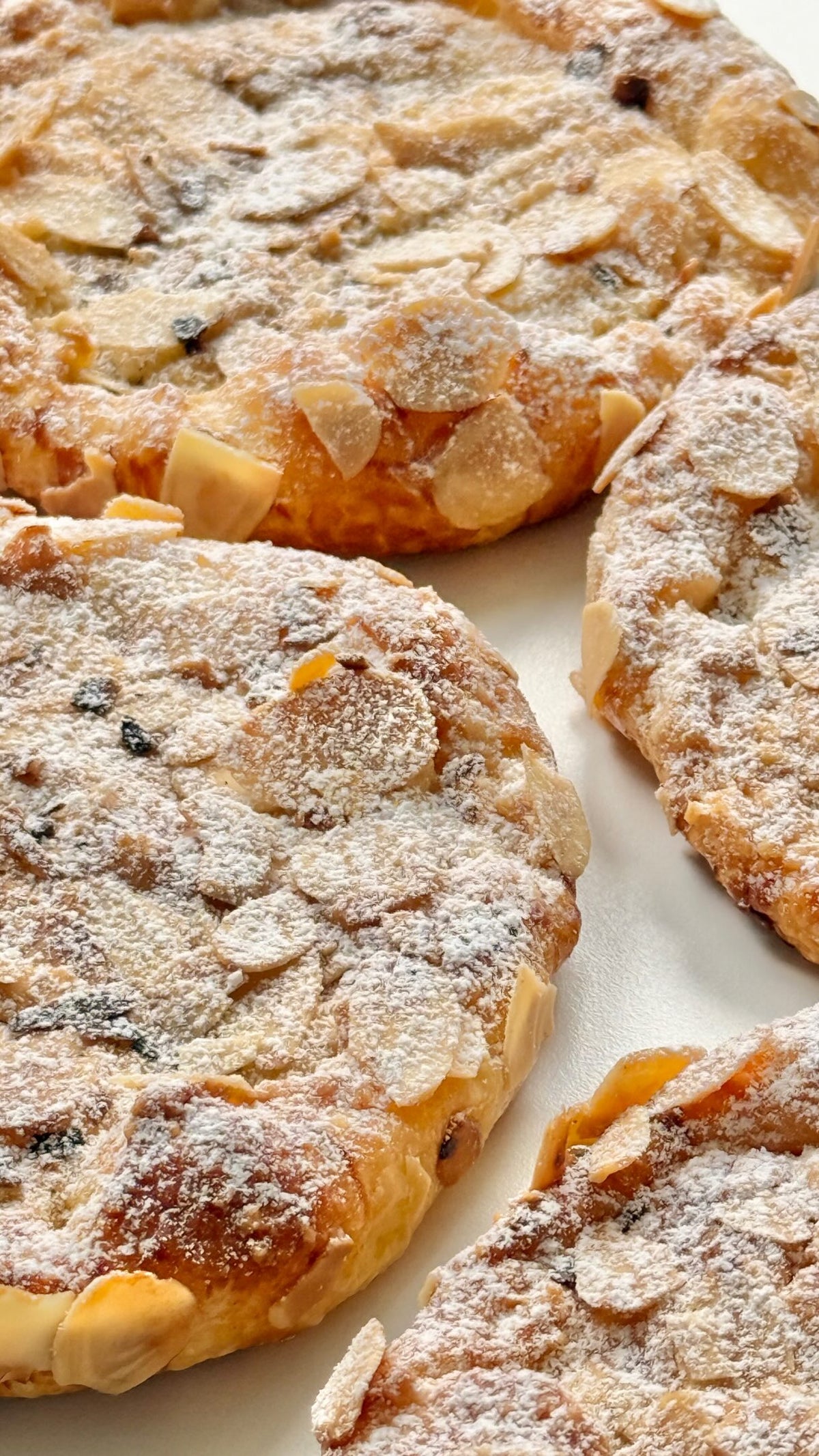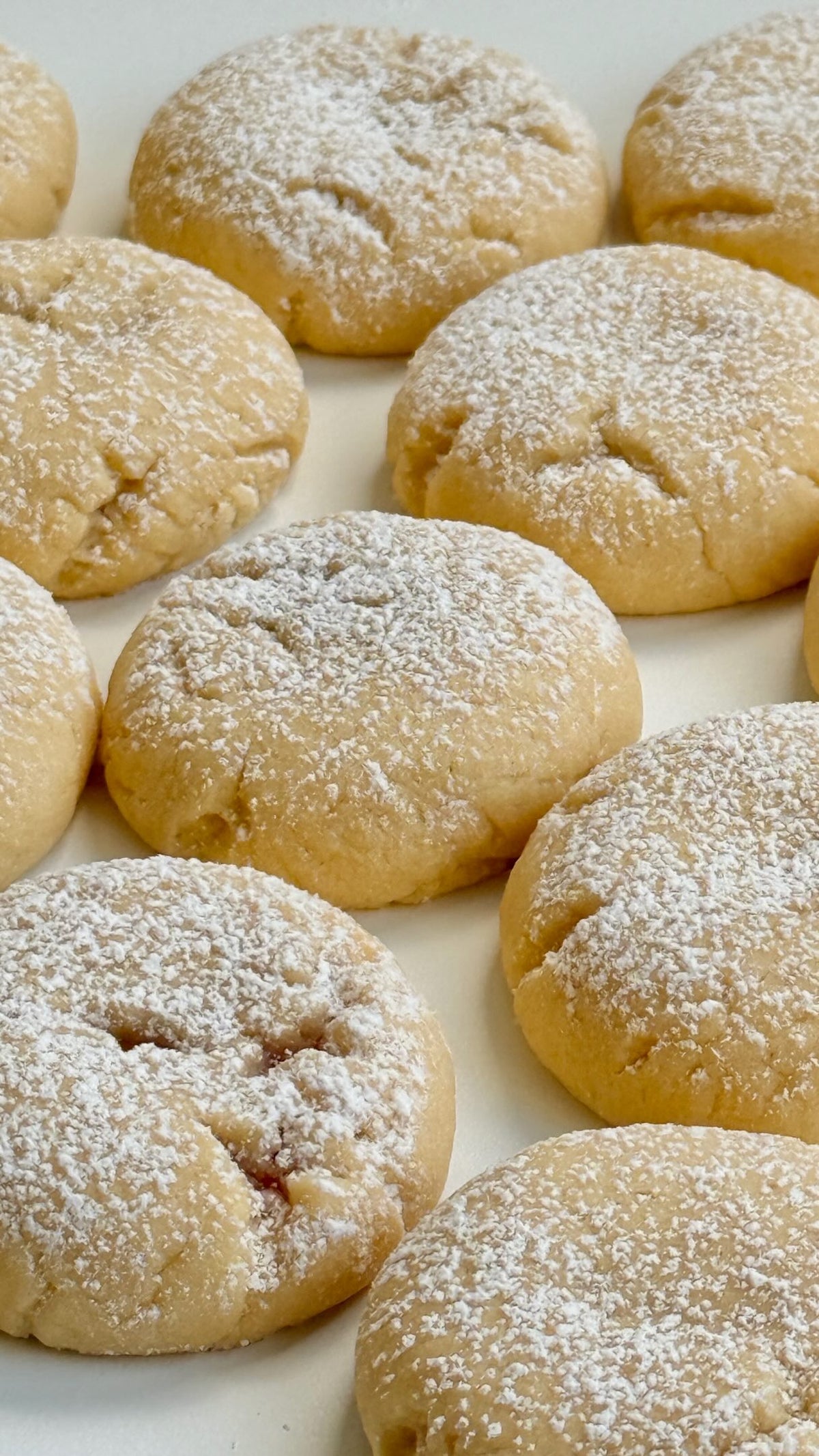
Delicious Brioche au Citron von Food with Style, fertig angerichtet
Brioche

Brioche au citron

Des briochettes moelleuses et aériennes, garnies d'une crème au citron onctueuse - fraîches, délicates et élégantes.

Partager
Portions
10 brioches
Cuisson 18 minutes

Ingrédients

  • Pour la dorure

Préparation

  1. 1
    Mélanger la farine, le sucre, la levure et le sel. Ajouter le lait, l'œuf et le beurre, puis pétrir jusqu'à obtenir une pâte lisse (8-10 minutes). Couvrir et laisser lever 60-90 minutes.
  2. 2
    Diviser la pâte en 10 pâtons (environ 50 g chacun), les bouler, puis leur donner une forme légèrement ovale.
  3. 3
    Déposer sur une plaque, laisser lever à nouveau 15-20 minutes, puis dorer au mélange jaune d'œuf-lait.
  4. 4
    Enfourner à 180°C (350°F) pendant 18-22 minutes, jusqu'à ce que les briochettes soient bien dorées. Laisser refroidir complètement.
  5. 5
    Pour la garniture, faire chauffer le lait. Mélanger le jaune d'œuf, le sucre et la maïzena, verser le lait chaud et faire épaissir sur le feu.
  6. 6
    Incorporer le jus de citron, le zeste et le beurre. Filmer au contact et laisser refroidir, puis lisser au fouet.
  7. 7
    Percer un petit trou sur le côté de chaque briochette et la garnir de crème au citron.
  8. 8
    Mélanger le sucre glace avec le jus de citron pour obtenir un glaçage épais, dresser des filets sur les briochettes et saupoudrer légèrement de sucre glace. Une brioche ultra moelleuse, au cœur crémeux citronné et à la finition nette et élégante

Video

Brioche au Citron Questions
A slightly tacky dough is normal here, because 40 g of soft butter and a whole egg go into only 250 g of flour. Keep kneading rather than adding flour; the dough should pull away from the bowl and feel smooth and elastic. Add extra flour by the teaspoon only if it is still soupy after the full 10 minutes, since too much flour will cost you the ultra-soft crumb.

You need at least one fresh lemon, because the recipe calls for the zest of a whole lemon and that is where most of the aroma sits. The juice itself can be bottled in a pinch, but the 1-2 tbsp in the cream and the 1½ - 2 tbsp in the glaze taste noticeably brighter when fresh. Since you already have a lemon for the zest, juicing it usually covers both.

Once filled, the buns contain an egg-yolk-and-milk cream, so keep them in the fridge in a covered container rather than at room temperature. Take them out 20-30 minutes before serving so the brioche softens again, as the crumb firms up when chilled. Unfilled baked buns keep better in an airtight container at room temperature.

Yes - the lemon cream is the best make-ahead component, since it has to be covered directly with plastic wrap and cooled completely anyway. Make it a day ahead, refrigerate it, then whisk it smooth before filling. You can also bake the buns in advance and fill and glaze them shortly before serving, which keeps the glaze crisp and the brioche from going soggy.

Lumps usually come from pouring the hot milk into the yolk, sugar and cornstarch mixture too fast - add it gradually while whisking, then cook until thick. A thin cream means it did not cook long enough for the 15 g of cornstarch to set; keep stirring over heat until it visibly thickens. Also stir in the lemon juice, zest and butter at the end, and cover the surface directly with plastic wrap so no skin forms.

délicieux, testé et prêt à inspirer

Explorez plus de 400 Recettes Savoureuses