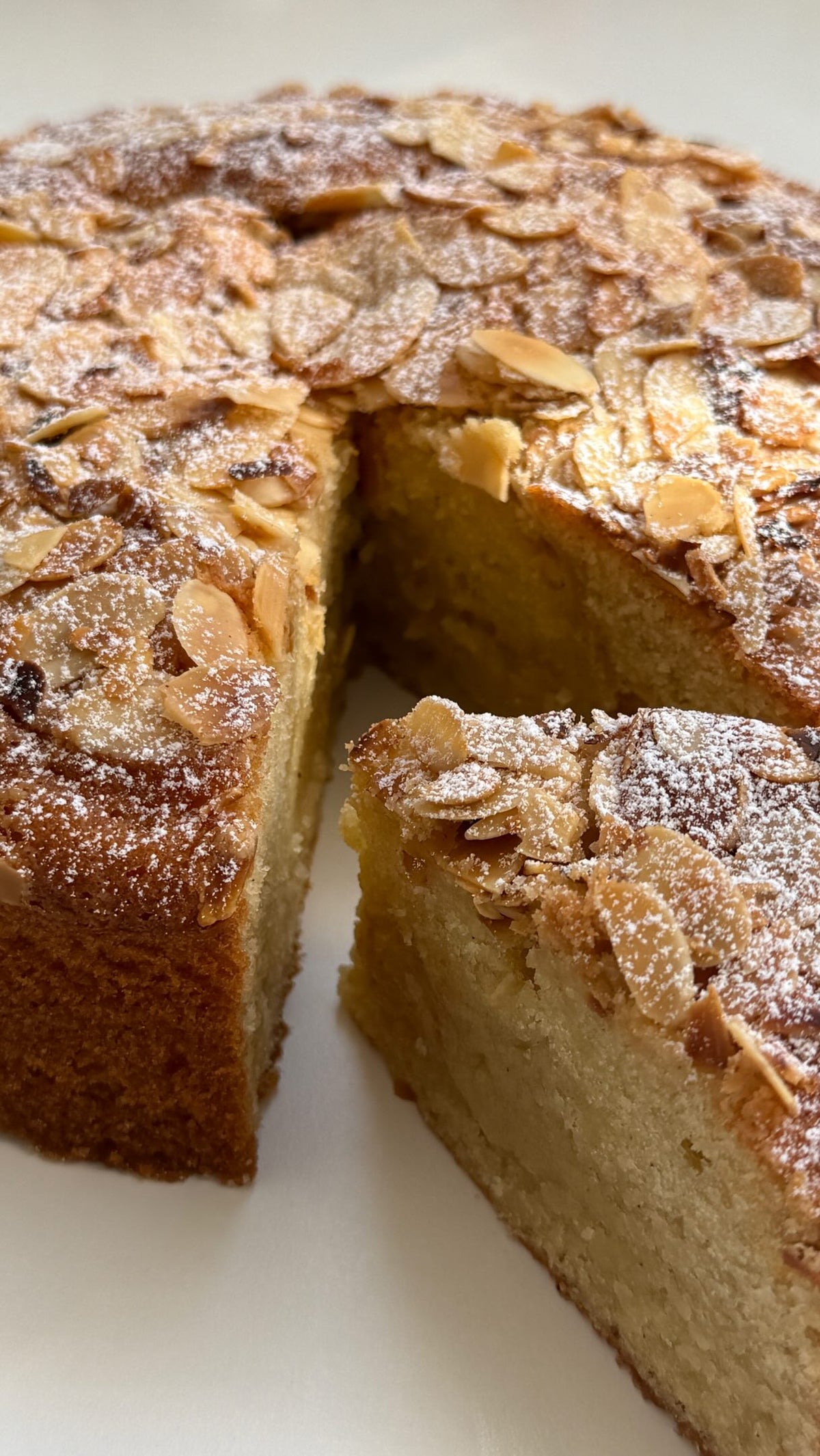
Danish Dream Cake von Food with Style, fertig angerichtet
Cake

Tarta danesa Drømmekage

Un bizcocho tierno y esponjoso coronado con una cobertura de coco caramelizada: jugoso, mantecoso y sencillamente irresistible.

Compartir
Cocción 20 minutos

Ingredientes

Preparación

  1. 1
    Precalienta el horno a 180°C (350°F) con calor arriba y abajo. Forra el molde con papel de hornear.
  2. 2
    Bate los huevos con el azúcar y la vainilla durante 4-5 minutos, hasta que la mezcla blanquee y quede espumosa.
  3. 3
    En otro bol, mezcla la harina, la levadura química y la sal. Incorpora los ingredientes secos a la mezcla de huevo con movimientos envolventes.
  4. 4
    Calienta la leche con la mantequilla hasta que la mantequilla se derrita por completo y añádelo a la masa removiendo.
  5. 5
    Vierte la masa en el molde preparado y hornea 20-25 minutos.
  6. 6
    Para la cobertura de coco, calienta en un cazo la mantequilla, el azúcar moreno y la leche. Si la prefieres más suave y clara, basta con fundir los ingredientes. Para un sabor a caramelo más intenso, deja que la mezcla hierva suavemente 2-4 minutos.
  7. 7
    Añade el coco rallado, remueve y reparte la cobertura de manera uniforme sobre el bizcocho a medio hornear.
  8. 8
    Vuelve a meter el bizcocho en el horno y hornea otros 10-15 minutos, hasta que la cobertura esté dorada.
  9. 9
    Deja templar el bizcocho antes de cortarlo en cuadrados.

Video

Danish Dream Cake Questions
The lift in this cake comes almost entirely from air beaten into the eggs and sugar, so the full 4-5 minutes of whisking until pale and fluffy is not optional. Once the flour goes in, fold gently rather than stir, and add the milk-butter mixture warm but not hot, since heat and vigorous mixing both knock the air back out. If you deflate the batter at either step, the baking powder alone cannot rescue the texture.

Shredded coconut is what gives the topping its structure and chew, so desiccated or flaked coconut works, but a coconut-free version will not set the same way. Brown sugar can be replaced with white sugar if that is all you have, though you will lose some of the caramel depth the topping is known for. Keep the butter-sugar-milk ratio as written, otherwise the topping runs off the cake or stiffens too much to spread.

Let it cool completely before storing, or trapped steam will soften the golden topping. Keep it covered at room temperature rather than in the fridge, since cold firms up the butter in both the sponge and the coconut layer and dulls the flavour. Cut squares stay best when the cut sides are pressed together or covered.

You can weigh out the dry mix of flour, baking powder, and salt ahead and keep it covered, and line the pan in advance. Do not mix the batter ahead - the beaten eggs lose volume on standing and the baking powder starts working as soon as it meets the milk. The coconut topping can be cooked ahead too, but it will thicken as it cools, so warm it gently before spreading.

The cake bakes 20-25 minutes first so the surface is set enough to carry the topping; adding it too early lets it sink into a still-wet batter. Spread it evenly and quickly with a light hand so you do not tear the surface, then return it to the oven for the final 10-15 minutes. Watch it closely at the end, because the sugar in the topping goes from golden to burnt faster than the sponge browns.

deliciosas, probadas y listas para inspirar

Explora Más de 400 Recetas Deliciosas